Nigeria Is Bleeding—But Not From a Christian Genocide
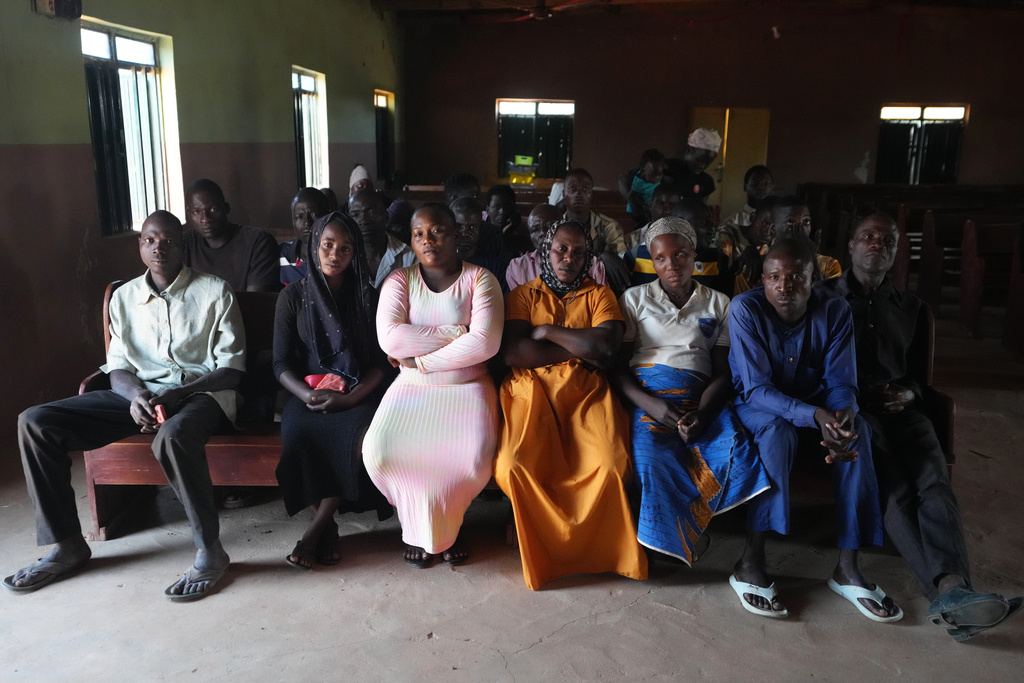
People who were kidnapped during a church service in Nov. 2024 are seen at a meeting at church in Kaduna, northwestern Nigeria. (AP Photo/Sunday Alamba)
From China to Canada to South Africa, President Donald Trump has repeatedly drawn international attention and controversy with sweeping, inflammatory claims. Nigeria is his latest target. In a recent interview, Trump alleged that Christians are being killed in “record numbers” in Nigeria, even suggesting U.S. military intervention. While Nigeria is indeed bleeding from years of violence, reducing its crisis to a religious war misrepresents a far more complex reality and erases the political, economic, and territorial roots that have driven this violence for more than 16 years.
When such an accusation comes from a figure as globally influential as the U.S. president, it spreads rapidly and sticks easily, especially for audiences with little knowledge of the region. By portraying the situation in Nigeria as a genocide against the Christian population, Trump erases the reality in the country: overlapping conflicts driven by poverty, competition over land, ethnic tensions, weak governance, tribal differences, and the growth of extremist groups.
The danger in distorting Nigeria’s reality is immense. It risks deepening distrust between Christians and Muslims, fueling suspicion and anger in a country where both groups have been victims of terror and communal violence. It reframes a national tragedy into a sectarian standoff, encouraging each side to see the other as an enemy rather than as fellow casualties of the same, relentless conflict.
It also invites misguided intervention. Just days after Trump’s remarks, global pop star Nicki Minaj echoed similar claims during a United Nations interfaith event, citing reports of churches being burned and communities living in fear while praising the President for raising alarm on the issue. Whether intentional or not, such one-dimensional narratives further misrepresent the conflicts as a campaign of religious cleansing, overshadowing the broader realities on the ground.

What the world urgently needs at the very moment is an accurate understanding of who is fighting, why they are fighting, in this case, it is Nigerians, Muslims and Christians alike, who are victims enduring the brunt of violence from armed extremist groups like Boko Haram and the regional branches of the Islamic State, ISWAP and ISIL.
Understanding Nigeria’s Conflict: The Real Context
Nigeria’s violence is not new, nor is it confined to one religious group. Its modern roots lie in the rise of Boko Haram and ISWAP (Islamic State West Africa Province), both of which exploit governance failures and socioeconomic despair.
Although there is no specific information on where exactly the ISWAP and its offshoot emerged, a 2020 UN Security Council narrative summary identifies ISWAP as an entity linked to the Islamic State in Iraq and the Levant (ISIL), noting its involvement in financing, planning, and supporting ISWAP to execute ISIL-related activities across the Lake Chad region.
Boko Haram, meanwhile, traces its origin to the early 2000s, evolved into an armed insurgency after founder Mohammed Yusuf’s death in 2009. The group draws its strength from high unemployment, weak public services, and the exclusion of many young men from political and economic life. These conditions, chronic poverty, poor education and health infrastructure, and the absence of effective state institutions in remote areas, created a fertile recruitment ground for extremist recruiters who offered identity, income and a perverse sense of order in the nation.
Over time, the insurgency fragmented. ISWAP emerged with connections to ISIS and a different strategic approach. Rivalries, territorial battles, and illicit economies — including kidnapping, smuggling, and taxation of local markets — professionalized the violence, making it as much economic as ideological.
At the same time, separate but overlapping conflicts, notably clashes between farmers and herders, driven by land loss, desertification, and resource scarcity, have compounded instability and blurred lines between criminality, communal violence, and ideological insurgency.
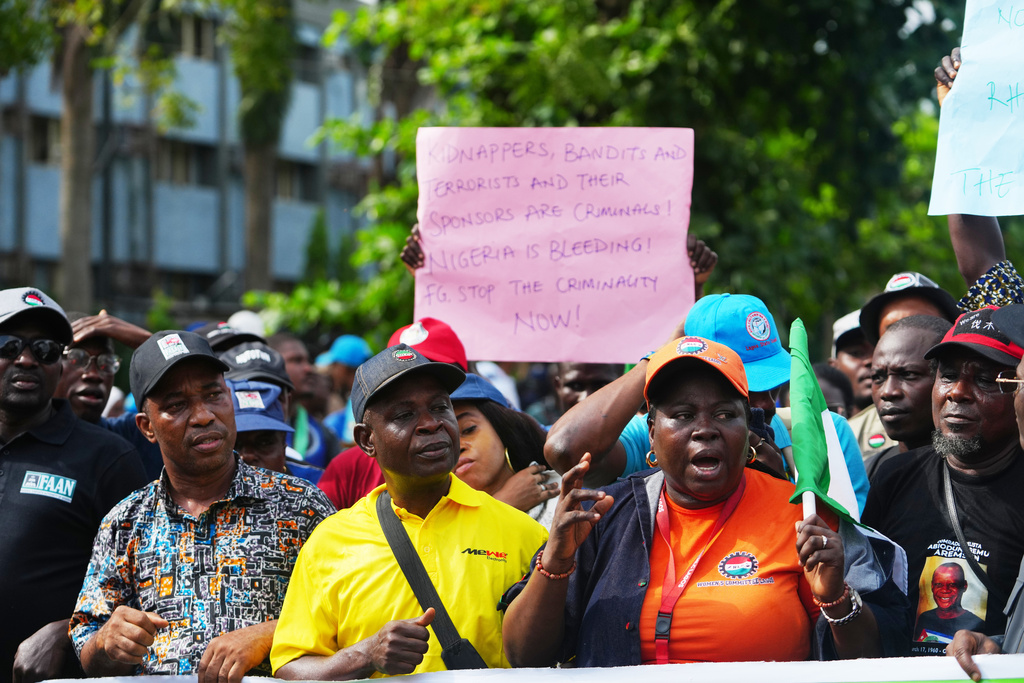
Addressing Nigeria’s turmoil, therefore, requires more than counterterrorism rhetoric. It demands long-term investment in governance, economic opportunity, land-use policy, and community reconciliation to remove the structural incentives that sustain extremism. A religious war is not what Nigeria needs, nor is it the war Nigeria is fighting.
The Data Does Not Support Trump’s Claim
The Armed Conflicts Location and Data (ACLED), which compiles data from local reporting, estimates that up to 53,000 civilians have been killed in Nigeria due to targeted political violence since 2009. These victims include both Muslims and Christians. Contrary to Trump’s claim of Christian-focused genocide, the data show that most victims are Muslims, though it is true that religiously motivated attacks targeting Christians do occur in some northern states.
Ladd Serwat, senior Africa analyst at ACLED, told the Associated Press that fatalities fluctuate by year. His analysis shows that while Muslim religious groups recorded higher fatalities in 2025, the trend was reversed in 2024.
The facts of the situation in Nigeria remain that in all cases, the trends shift, but the violence has never been one-sided. Christians have indeed been attacked for their faith, and churches have been burned. But Muslims have also been targeted, with mosques attacked during prayers, and worshippers abducted or killed. The crisis is not singularly religious; it is systemic and demands urgent action.
Nigeria’s Response
President Bola Tinubu rejected Trump’s characterization, affirming that his country “upholds religious freedom” and that the American president’s portrayal does not reflect their national reality, while emphasizing that the nation opposes religious persecution and does not encourage it.”
Nigeria’s Minister of Information, Mohammed Idris, told Al Jazeera that while the concern is appreciated, the U.S president’s comments are based on “lack of complete data and information” that is not helpful but rather hurtful to the nation. Idris emphasized that Nigeria seeks cooperation from the U.S in intelligence sharing and arms supply but does not welcome American boots on ground.

Meanwhile, conversations across social media in Africa suggest that Western political actors revive these narratives to serve geopolitical agendas, especially as Nigeria and other African states deepen partnerships with China, and that this could be a pressure tactic intended to serve as a warning to Nigeria, Africa’s largest economy, and a strategic security ally.
Nigeria is indeed bleeding, but not for the simplistic reasons Donald Trump suggests. Foreign narratives must not overshadow Nigerian agency or the country’s own understanding of its crisis. What Nigeria — and the world — urgently needs is informed, nuanced, and evidence-based dialogue about African conflicts, not political rhetoric that exploits pain for geopolitical theatre.
As the world pays renewed attention to West Africa, the responsibility is clear: Listen to Nigerians, understand the data, and approach the crisis with humility rather than hysteria.
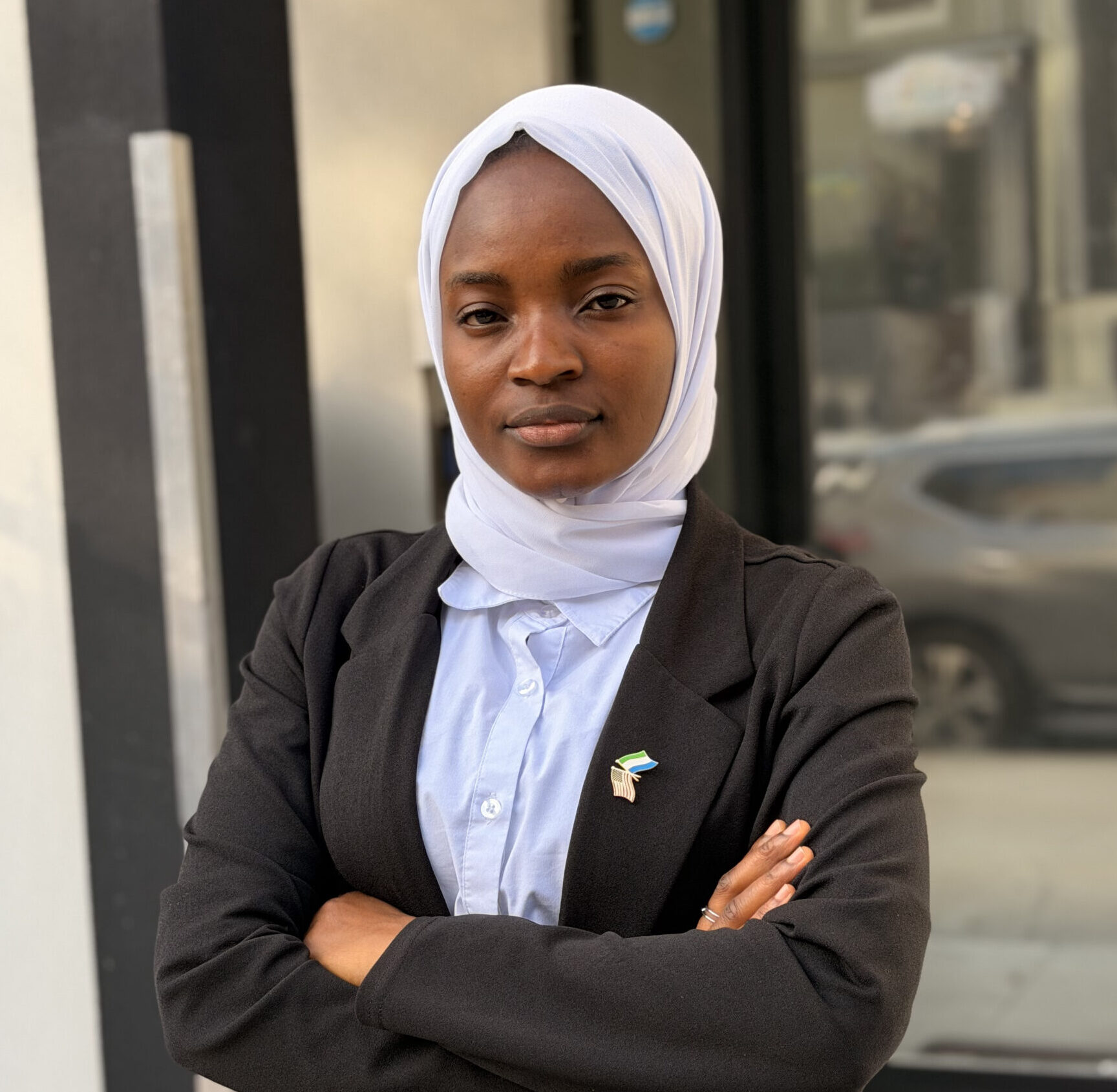
Marian Amaria Bangura is an MA student in the Joint Global Journalism and International Relations program at New York University, where she is deepening her focus on global reporting and international affairs. She earned a BA in Journalism and Mass Communication from Fourah Bay College, University of Sierra Leone, in 2022, and holds a certificate in Investigative Journalism from the Media Foundation for West Africa. From 2020 to 2024, Marian worked as a TV reporter and presenter with Africa Young Voices Media Empire (AYV) in Sierra Leone, where she reported, produced, and moderated news programs covering governance, development, and social issues. She has also worked as a fact-checker with UNDP’s iVerify platform, combating misinformation through rigorous research and verification, and currently serves as an Under–Director General appointee with the United Nations Youth Association of Sierra Leone, supporting international advocacy aligned with the UN Sustainable Development Goals.