As US Funding Retreats, China and Russia Fill the Gap: Lessons for Africa
In February 2025, the U.S. administration implemented significant funding cuts affecting several African countries, including funds for South Africa’s HIV/AIDS programs. It only took a few months for China to step in and fill the gap, pledging $3.49 million for HIV prevention in the country.
Similarly, before U.S. intervention, President Donald Trump criticized Nigeria for alleged “Christian genocide,” accused the government of complacency regarding attacks on Christians and threatened military action. By contrast, Russia showed interest in supporting Nigeria’s counterterrorism efforts while praising the government’s effectiveness — an approach that starkly diverged from Washington’s condemnation of the West African country.
These acts of “support” may appear humanitarian on the surface, but in the broader geopolitical context, they form part of a calculated pattern: where Washington retreats, Beijing and Moscow advance to expand their influence.
‘America First’ Funding Cuts and the Vacuum It Creates.
The funding cuts are tied to the revived ‘America First’ doctrine—an approach centered on prioritizing what aligns with U.S. domestic interests and ideological values. While the policy may serve the United States’ political objectives, for Africa, it represents the harsher geopolitical reality: states ultimately act in their own self-interest. The episode reinforces a critical lesson for the continent—the necessity of reducing reliance on external donors and strengthening self-sufficiency.
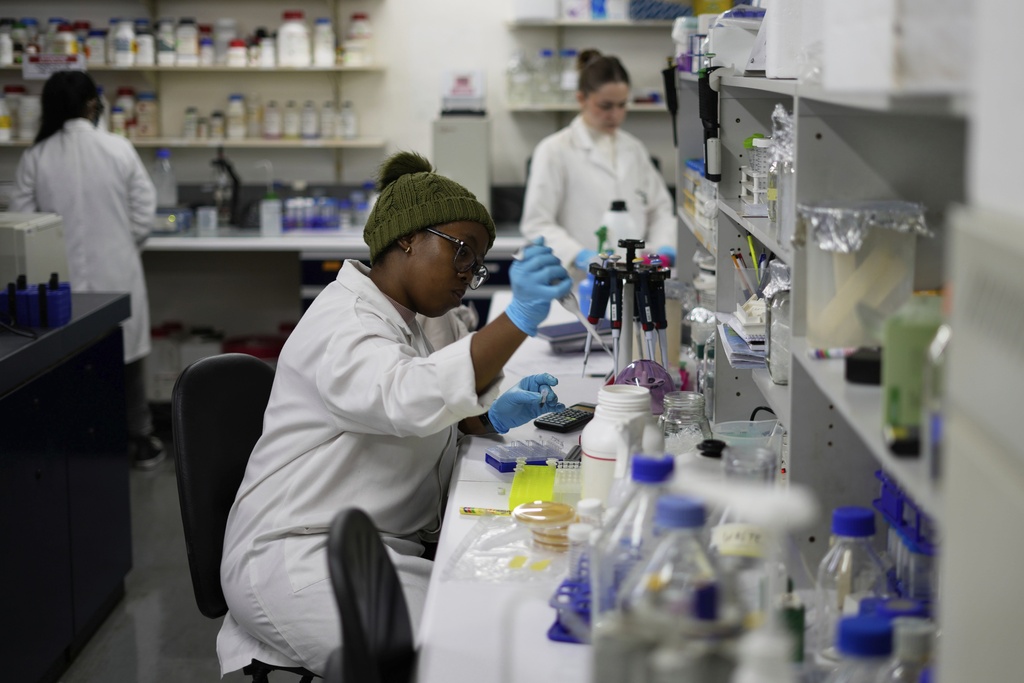
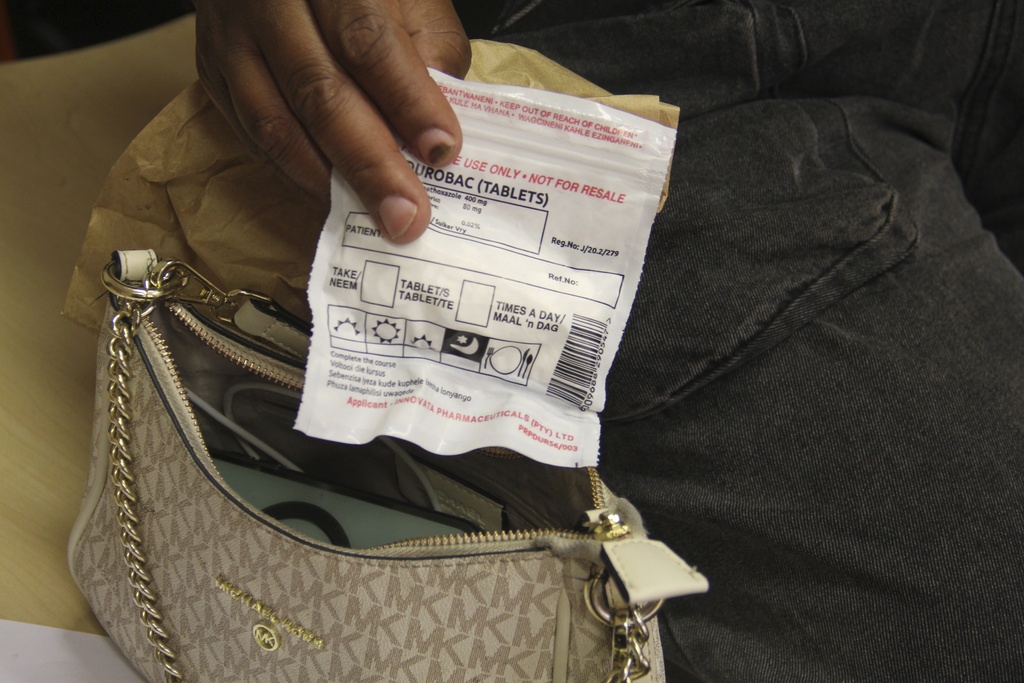
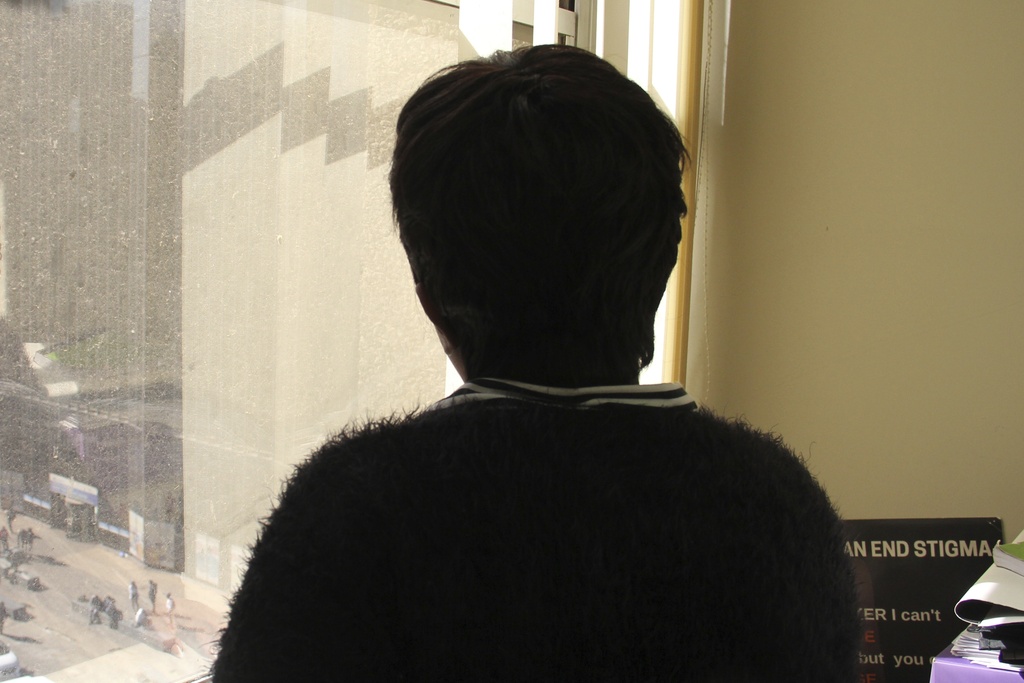
After Trump first term’s ‘America First’ initiative action, the cuts strained African programs across health, travel, development and security. Although the Biden administration in 2022 sought to give a new tone to Trump’s ‘America First’ diplomacy with multilateral cooperation and alliance-based leadership, Trump’s return to office in 2025 reversed the shift.
In fact, the second-term revival has been more forceful, accelerating U.S. pullbacks globally and widening an opening in African countries that China and Russia have been quick to fill.
China Moves Where the U.S. Retreats
A Senate Foreign Relations Committee minority report titled The Price of Retreat warns that the Chinese Communist Party is pursuing a long-term strategy to displace the United States as the world’s leading superpower. Yet, it concedes that Washington has abandoned many of the very tools of Economic statecraft it once relied on to counter Beijing’s influence. As a result, U.S. disengagement is weakening long-standing alliances, disrupting development partnerships, and creating diplomatic gaps that China is now rapidly filling.
The evidence is visible across continents. Washington pulls back, Beijing moves in. When the Trump Administration cut $80 million from a Power Africa initiative in February 2025, by September, China pledged $50 billion in financing across the continent. The Senate report documents the following recurring patterns across Africa, in which U.S. withdrawal has repeatedly been followed by Chinese intervention. In Zambia, the termination of a $37 million U.S. HIV/AIDS program was followed almost immediately by China donating 500,000 rapid HIV test kits. In Senegal, the end of a $28 million U.S.-funded WASH initiative opened the door for a new Chinese Sinohydro–FONSIS partnership to build the country’s first “water highway.”
The same trend played out in Nigeria, where a $2 million USAID nutrition and Water, sanitation and hygiene (WASH) grant was cancelled just as China’s Exim Bank and UNICEF signed a deal to support those same services. In Uganda, after U.S. cuts disrupted World Food Program operations, China delivered $2 million in rice to feed vulnerable communities. When the U.S. initially signaled a potential pause on a $480 million MCC compact aimed at improving Sierra Leone’s electricity access, China moved quickly, with its ambassador meeting the Ministry of Energy to offer support for the country’s energy infrastructure. And in the Gambia, the elimination of the $13 million U.S. malaria initiative coincided with China launching a new malaria-reduction project in partnership with the Red Cross.
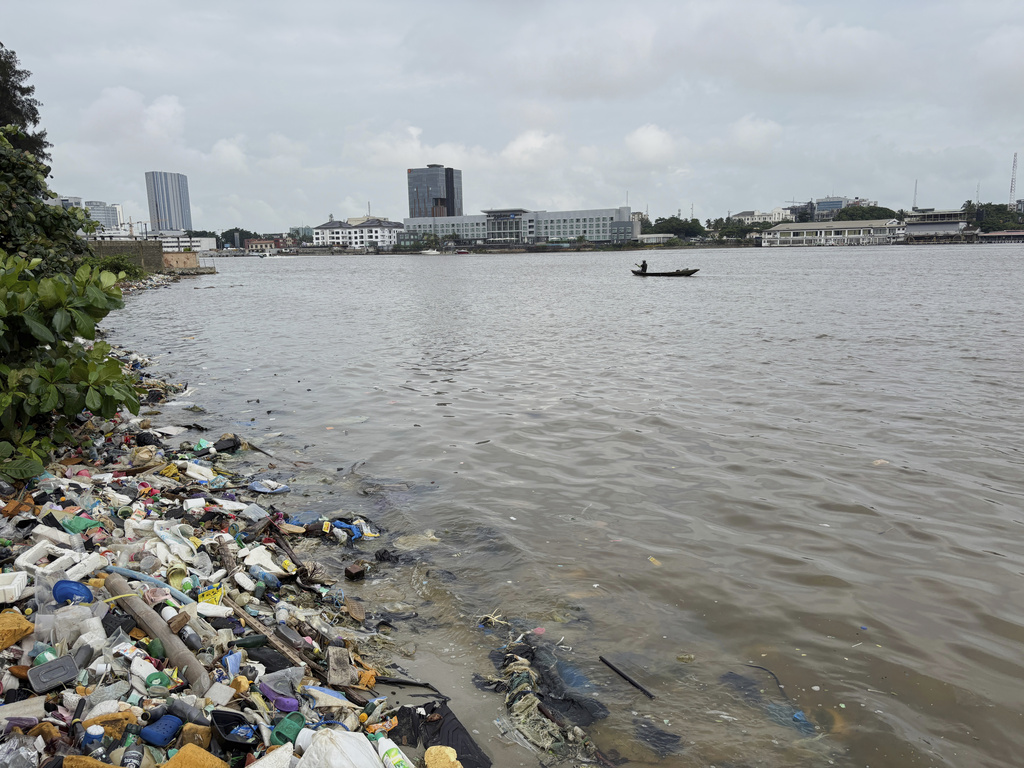
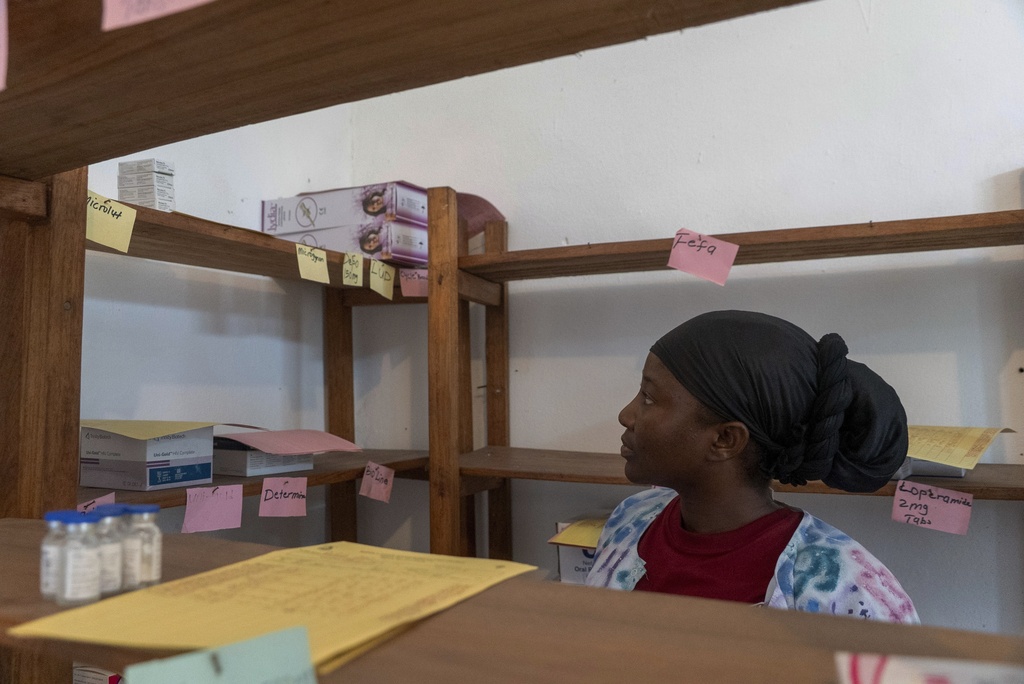
Beyond these cases, Beijing is now financing a $1.5 billion highway in Kenya, and has helped establish Liberia’s first cardiology unit—part of a wider strategy to expand influence as U.S. engagement contracts.
Russia’s Quiet but Calculated Advance
Meanwhile, Russia is also ramping up its diplomatic charm in West Africa by delivering 709.5 tons of food aid to Burkina Faso and up to 20,000 tons of wheat to Niger.
On Aug. 5, 2024, mass protests in the Nigerian states of Borno, Kaduna, Kano and Katsina saw crowds waving hundreds of Russian flags—some demonstrators even calling for military intervention.
“We are waving the Russian flag because Tinubu’s government is not listening to us. Russian presidents always support African nations’ development, unlike other nations,” Lawal Kodo, a 28-year-old protester in Kano, told Reuters.
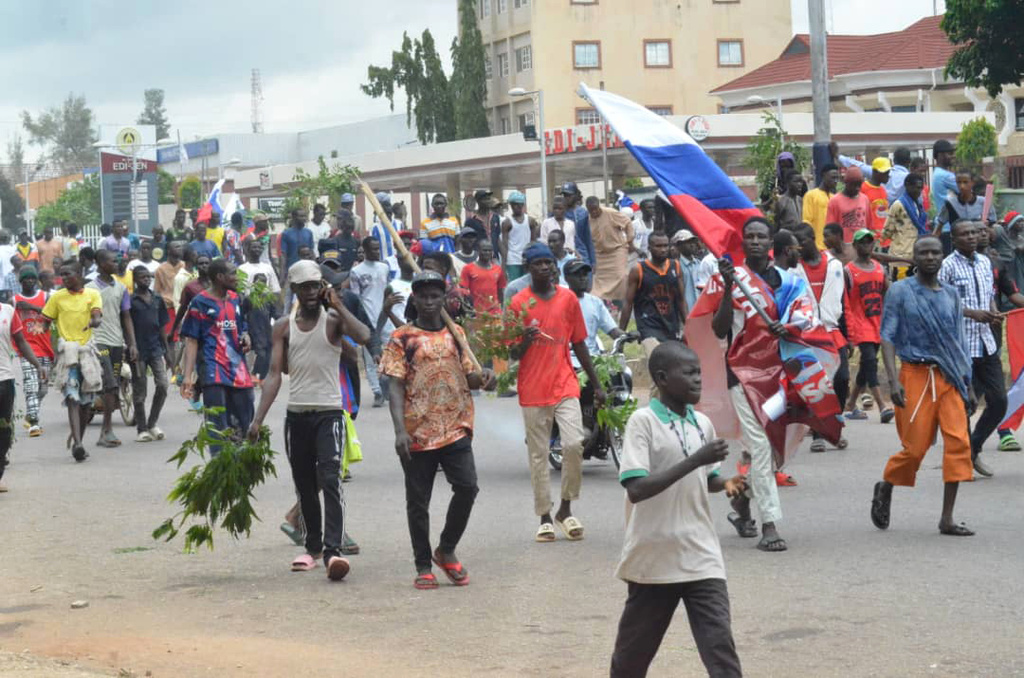
Russia has also reportedly been offered a naval base in Sudan, extending its military and political reach. As U.S. aid wanes, Moscow is seizing symbolic and strategic opportunities. While China acts visibly, Russia’s strategy is more subtle, presenting itself as a donor with fewer strings attached.
When Great Powers Step Back, Rivals Step In
Analysts have long warned that great-power competition accelerates when traditional powers step back. Where the West is perceived to be retreating or to be imposing more conditions, rivals invest quickly and visibly. That is how influence is often accrued: not through single acts but through cumulative projects that matter to citizens (e.g. hospitals, roads, clinics) and to elites (e.g. contracts, security cooperation).
Independent EU analyst Shada Islam told DW Akademie that “Russians want to show that the West is failing; when there is a legal geopolitical vacuum, Russia moves in.” A behaviour that points less to traditional aid substitution to more of a strategy that leverages governance and security gaps left by the West.
A Strategic Path Forward for Africa
The United States, China, Russia, or another actor may present their actions as humanitarian generosity, but African leaders must know a hard truth: no global power is acting with altruism. Whether it is the West or the East, every external partnership is fundamentally transactional. As Africa embraces and engages with newly diversifying centers of power, governments should approach emerging alliances with clear-eyed realism and an unambiguous commitment to national interest.
The lesson for Africa is to be strategic: diversify partnerships, insist on transparency and local benefit, and build regional negotiating capacity so terms are balanced and sustainable. If a short-term injection of cash or equipment leads to long-term dependency—whether through debt traps, opaque procurement, or security arrangements that erode sovereignty—then the price may outweigh the immediate benefit.
South Africa’s HIV funding shortfall illustrates the stakes. When donor funding is abruptly cut, the impact is immediate and human: clinics falter, hospitals stretch thin, and ordinary citizens pay the price. China’s timely intervention filled a critical gap—but also reinforced the continent’s structural dependency.
The solution is not to swap one patron for another. It is to reduce dependency altogether through stronger domestic financing and better protection of essential services from foreign political swing.
Africa does not need new suitors who trade short-term generosity for long-term leverage. It needs partnerships governed by African priorities, stricter transparency, and stronger institutions so that roads, clinics and naval agreements serve people, not foreign strategic ambitions.
If African leaders embrace great-power competition without strategic caution, they risk replacing one form of dependency with another, which could lead to a new form of imperialism.
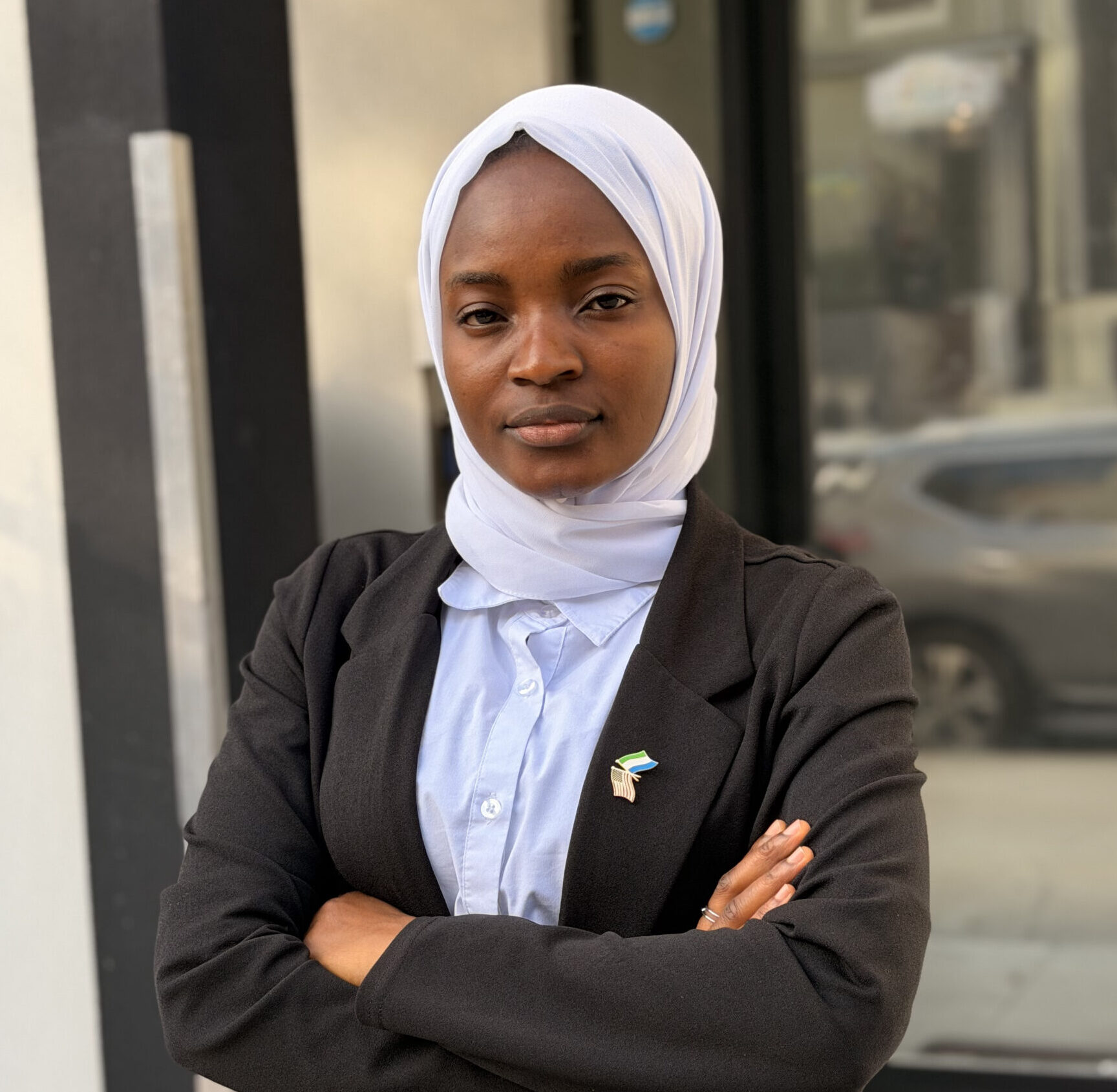
Marian Amaria Bangura is an MA student in the Joint Global Journalism and International Relations program at New York University, where she is deepening her focus on global reporting and international affairs. She earned a BA in Journalism and Mass Communication from Fourah Bay College, University of Sierra Leone, in 2022, and holds a certificate in Investigative Journalism from the Media Foundation for West Africa. From 2020 to 2024, Marian worked as a TV reporter and presenter with Africa Young Voices Media Empire (AYV) in Sierra Leone, where she reported, produced, and moderated news programs covering governance, development, and social issues. She has also worked as a fact-checker with UNDP’s iVerify platform, combating misinformation through rigorous research and verification, and currently serves as an Under–Director General appointee with the United Nations Youth Association of Sierra Leone, supporting international advocacy aligned with the UN Sustainable Development Goals.