

In ‘The Perfect Neighbor,’ Tragedy Befalls a Florida Family Under the Police’s Watch

Parents often complain that the children of today spend an unhealthy amount of time on their phones. They think that children do not know how to have fun anymore unless it is through a screen, which leads to a lack of social skills. The Perfect Neighbor, a 2026 Oscar-nominated documentary, shows that when Black children do play outside, some white neighbors will try to criminalize them for it. Geeta Gandbhir’s latest work is a compelling, poignant example of the senseless, racially-motivated killings that occur at the hands of white gun-owners in the United States. The glaring, but subtly presented issue in this film is that the entire time, the neighborhood children were the ones who needed to be protected. Gun violence brought death to their community; it did not prevent death. Only when the shooter, a middle-aged white woman, returned home after being detained for questioning, did the police express clear concerns over the safety of anyone in the neighborhood.
The Perfect Neighbor documents a neighborhood’s encounters with the police in a town in Marion County, Florida beginning on Feb. 25, 2022, in the lead up to a crime that took place on June 2, 2023. There are a few families with kids that show up in the film, but the main characters are Ajike Owens and two of her sons, Issac and Israel (Izzy). Susan Lorincz is their neighbor that lives across the street next to a small field where the neighborhood kids like to play football. Susan frequently calls the police complaining that the children are disturbing her peace or accusing them of trespassing on her property. On that Friday in June, Izzy went to get his tablet that he left in the field during the day and Susan threw roller skates that were lying in the grass, in his direction. When his mother went to confront her and pounded on her front door, Susan shot through the door. Ajike was taken to the hospital but did not survive. Susan was charged with manslaughter and sentenced to 25 years in prison.
Even though the filmmakers chose to leave us feeling hopeful and inspired, the viewer is unable to forget the fear in Issac’s voice when he heart-wrenchingly ran to a friendly neighbor’s door crying, “She shot my mom!” Nor could one forget Izzy’s cries when he told a police officer that he wanted to see it for himself that his mom was moving. So, it almost feels like a less-than sad ending was forced into the film. Because the very first scene is of the 911 call informing the police about the shooting as one of the officers drives to the location, one will watch the rest of the film with a feeling of despondency that cannot easily be shaken—a feeling magnified by how real the lives captured in this film are. The purple-gray night skies and surrounding trees, and the sounds of children playing in the distance, as cops arrive for the first time over this issue, capture the beautiful days of childhood in America. It is such a pity that Lorincz could not see the beauty in the liveliness of the neighborhood and tried her hardest to silence it.
Susan Lorincz willingly chose to pick up her gun and shoot Ajike Owens through a locked door. Yet there is a chance that she would not have done this had it not been for Florida’s Stand Your Ground law, which as per the film, “permits the use of deadly force if there is a presumption of fear.” All Susan needed to do was prove she was genuinely afraid, which is problematic because anyone could claim they were afraid. Her efforts failed because the facts did not match up with her timeline, but unfortunately, the documentary notes, 700 more homicides occur per year on the basis of Stand Your Ground laws “with white Americans much more likely to find success with self-defense claims particularly when they kill Black people.”
For someone who made a big deal about signs and respect for private property, Susan broke into a gated area with a Tow Away Zone sign. Susan would allegedly set the alarm off on her car while inside her house just to make it seem like the kids were touching her car. These minor details paint the picture of someone who was spiteful and looked for trouble. The film brilliantly shows the credits during the trial scene, sending the message that a verdict is not necessary for the audience to know that this woman was guilty. When Susan resisted her arrest, she told the police officers, “I don’t care. Kill me” to which one of them replied: “We’re not going to kill anybody.” In her mind, killing is how to solve problems.
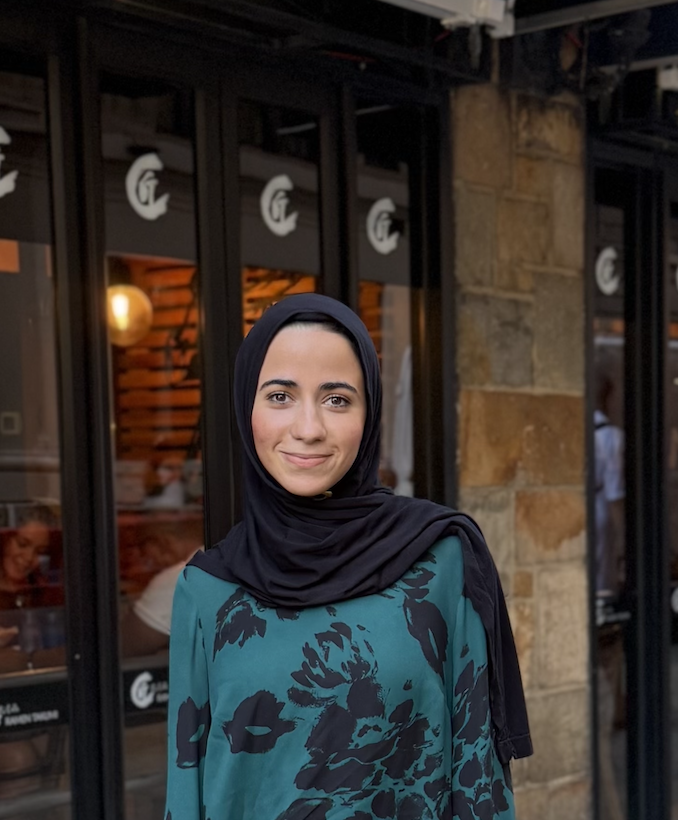
Nurah Elmashni is a second-year master’s student at NYU studying International Relations with a concentration in Middle Eastern and Levantine Studies. She graduated summa cum laude with a BS in Diplomacy and International Relations from Seton Hall University. Her academic interests include US-Middle East relations, Arab regionalism, political and imperial expediency, critical security studies, and anti-corruption. She is interested in researching the liberal international legal order and Christian Zionism vis-à-vis the question of Palestine.

very informative articles or reviews at this time.
Konular mükemmel olduğu gibi site teması da içeriğe müthiş uyum sağlamış. Tebrikler
This is really interesting, You’re a very skilled blogger. I’ve joined your feed and look forward to seeking more of your magnificent post. Also, I’ve shared your site in my social networks!
aramalarım sonunda buraya geldim ve kesinlikle işime yarayan bir makale oldu. teşekkür ederim
I like the efforts you have put in this, regards for all the great content.
I truly appreciate your technique of writing a blog. I added it to my bookmark site list and will
I like the efforts you have put in this, regards for all the great content.
I am truly thankful to the owner of this web site who has shared this fantastic piece of writing at at this place.
Grafica sobria che facilita la concentrazione.
I truly appreciate your technique of writing a blog. I added it to my bookmark site list and will
There is definately a lot to find out about this subject. I like all the points you made
This is really interesting, You’re a very skilled blogger. I’ve joined your feed and look forward to seeking more of your magnificent post. Also, I’ve shared your site in my social networks!
This was beautiful Admin. Thank you for your reflections.
I just like the helpful information you provide in your articles
Good post! We will be linking to this particularly great post on our site. Keep up the great writing
Great information shared.. really enjoyed reading this post thank you author for sharing this post .. appreciated
I appreciate you sharing this blog post. Thanks Again. Cool.
Thanks for this informative article — I gained new practical insights today.
This is very helpful information.